Watercolor Wild Flowers Clipart: Effortless Natural Elegance
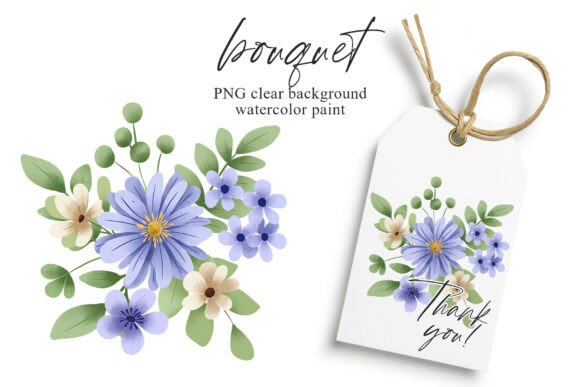
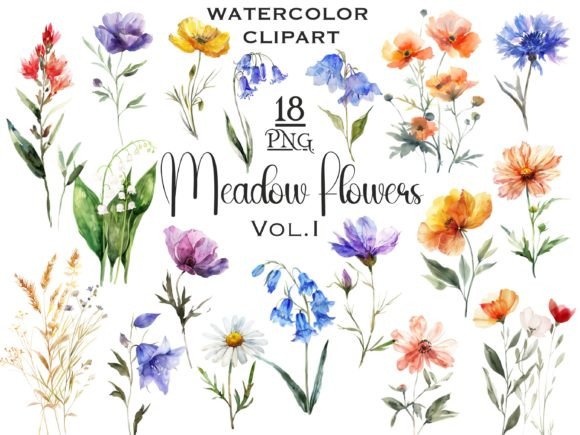
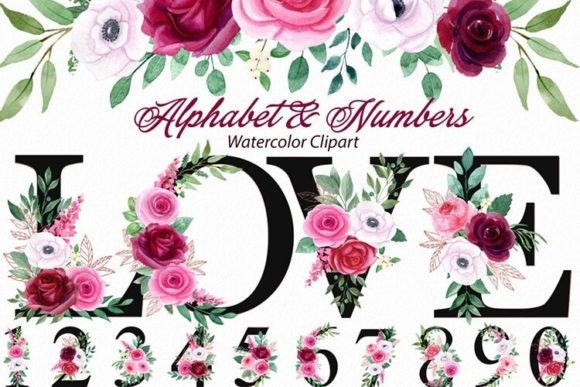
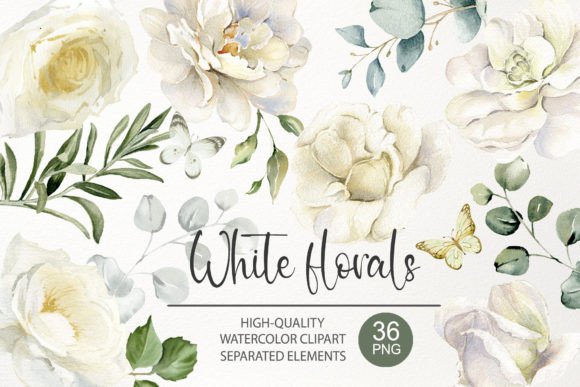
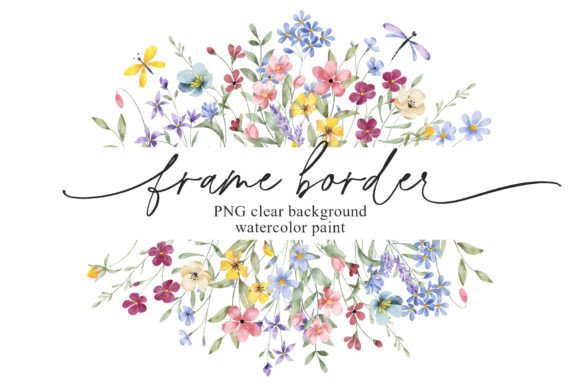
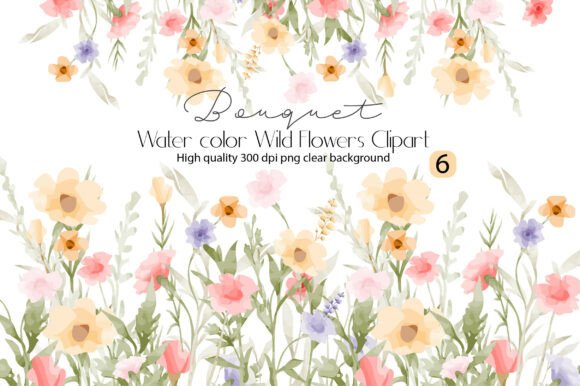
In the world of digital assets, finding a design element that feels both organic and professionally polished can be a game-changer. This collection of Watercolor Wild Flowers Clipart strikes that perfect balance. It isn’t just a static image; it’s a versatile toolkit designed to mimic the fluidity and softness of traditional watercolor painting. The visual personality here is defined by a soothing palette of pink and green colors, featuring soft washes that bleed gently into one another. This style evokes a sense of whimsy, romance, and earthiness, making it ideal for projects that need a human touch without the mess of actual paint.
The appeal of this specific set lies in its adaptability. Because the designs are high-resolution (4500x5400px) and delivered at 300dpi, they bridge the gap between digital and physical applications seamlessly. You aren't just getting a low-res graphic for a blog post; you are getting premium quality designs that hold up on large-scale prints. Whether you are working on editorial design or creating textured backgrounds for social media, the "wet-on-wet" aesthetic provides depth that flat vector graphics often lack. It captures the imperfections that make art feel authentic.
Strategic Applications: From Branding to Packaging
Understanding where to deploy Watercolor Wild Flowers Clipart is key to maximizing its value. For brand identity, this style is particularly effective for businesses in the wellness, beauty, wedding, or artisanal food sectors. The soft botanical elements can anchor a logo design or serve as a subtle background texture on a website, adding warmth to the user experience. When used in packaging design, these florals can transform a plain box into a gift-ready experience, signaling to the customer that the product inside is crafted with care.
For those in publishing and editorial design, think beyond the cover. These watercolor elements work beautifully as chapter dividers, margin decorations, or full-bleed backgrounds for magazine spreads. In the realm of digital products, the application is just as broad. If you are selling planners or journals, incorporating these florals as stickers or cover art elevates the perceived value of your digital download. Furthermore, for sublimation designs—think mugs, tote bags, and t-shirts—the high resolution ensures that the ink transfers crisply without pixelation, preserving the delicate brushstroke details.
Design Mechanics: Hierarchy, Pairing, and Readability
Using decorative elements effectively requires a strategic approach to visual hierarchy. Watercolor Wild Flowers Clipart is vibrant and detailed, which means it can easily overpower text if not managed correctly. To maintain readability, avoid placing body text directly over the densest parts of the floral arrangement. Instead, use these graphics as "anchors" at the corners of a layout or as a central focal point with text arranged symmetrically around them. This ensures the eye is drawn to the image first, then travels to the supporting information.
When it comes to font pairing, the organic nature of watercolor requires a typeface that complements rather than competes. A clean sans serif font often works best for body copy, providing a modern, legible counterpoint to the fluid floral shapes. For headlines, you might experiment with a script font or a handwritten font to amplify the artistic vibe, but ensure the x-height is sufficient for legibility. If you were designing a wedding invite, for example, a delicate serif paired with these florals creates a timeless, elegant look. The goal is to create a dialogue between the rigid structure of the text and the free-flowing nature of the art.
Practical Workflow and Asset Management
Efficiency is crucial for creative professionals, and this asset pack is designed with that in mind. The files are delivered as PNG files with transparent backgrounds, which is the industry standard for overlaying graphics in software like Canva, Photoshop, or Illustrator. Because the files are organized and compressed into a single ZIP folder, your workflow remains streamlined—you don't have to hunt through messy directories to find the right petal.
When evaluating the fit for your specific project, consider the color theory at play. The predominant pink and green colors offer a complementary contrast that is naturally pleasing to the eye. However, if your brand palette leans toward cooler blues or earthy browns, these florals can still work if used as accent pieces rather than dominant fields of color. Always test the clipart at the intended scale before finalizing a design; what looks balanced on a screen might need cropping for a physical print. By treating these design assets as flexible tools rather than rigid images, you can adapt them to fit nearly any creative challenge, ensuring your final product feels cohesive and professionally curated.