Organize Your Home Finances with Practical Spreadsheet Tools
Managing a household budget often feels like a constant balancing act. Between tracking income, paying bills on time, and saving for future goals, it’s easy for important details to slip through the cracks. A structured system can transform this chaos into clarity. The right tools don’t just record numbers; they provide a visual framework for understanding your financial health, making proactive decisions, and building confidence. This is where a well-designed Home & Household Finance Organizer becomes an invaluable asset, offering a clean, intuitive layout that turns complex data into an actionable plan.
The Anatomy of an Effective Financial Organizer
A quality finance toolkit is more than a simple ledger. It’s a comprehensive system designed with the user’s real-world needs in mind. Think of it as a premium font for your money—each element serves a specific purpose, contributing to overall readability and visual hierarchy. A strong organizer typically includes several integrated components, each with a distinct role in your financial management process.
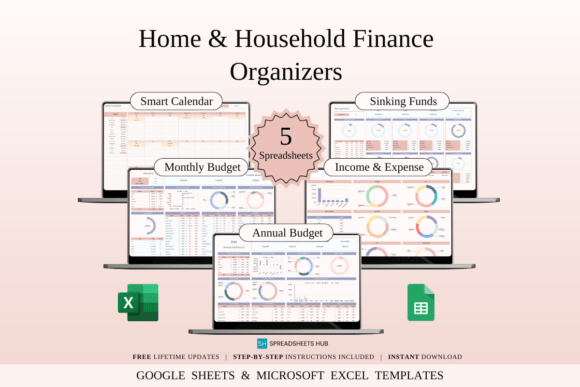
The Annual Budget Planner acts as your strategic overview. Much like an editorial design sets the tone for a publication, this section establishes your yearly financial goals. It allows you to forecast major expenses, plan for seasonal costs, and set savings targets. Its modern typography and clean layout prevent overwhelm, presenting a high-level view that’s easy to scan and understand. You can see the entire year at a glance, which is crucial for long-term planning.
From the annual view, you zoom into the Monthly Budget Sheet. This is your operational center for day-to-day spending. Here, you categorize expenses, track income streams, and monitor your cash flow. The design prioritizes clarity and ease of use, much like a well-paired sans serif font in web design—functional, legible, and unobtrusive. It’s the tool you’ll interact with most frequently, so its intuitive nature is key to maintaining consistency.
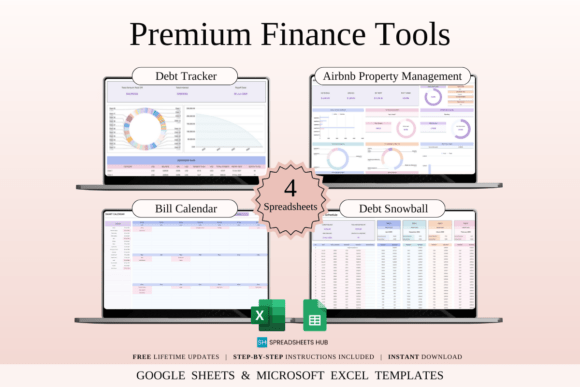
Missing a bill payment is a common financial stressor. A Bill Payment Calendar solves this by visualizing your obligations. It maps due dates onto a monthly grid, providing an at-a-glance view of what’s coming and when. This proactive approach helps you avoid late fees and manage cash flow around payment cycles. The calendar format is a classic example of how design assets can simplify complex information, much like a well-designed logo conveys brand identity in a single mark.
For a granular look at every dollar, the Income & Expense Tracker is essential. This is where you log every transaction, creating a detailed record for analysis. Over time, this data reveals spending patterns, highlights areas for adjustment, and validates your budgeting efforts. Its clean, list-based format ensures high readability, allowing you to quickly review trends without sifting through cluttered spreadsheets.
Designed for Real Life: Who Benefits Most?
This type of Household Finance Organizer is built for a broad audience, but its style and personality resonate particularly well with certain groups. Families and couples managing shared finances find the clear categories and visual calendars invaluable for alignment and transparency. It turns abstract budgeting conversations into concrete, shared plans. Homeowners appreciate the ability to track mortgage payments, property taxes, and home maintenance costs within a structured system.
Beyond traditional households, the toolkit’s practicality appeals to entrepreneurs, freelancers, and small business owners who often blend personal and business finances. The clear separation of income and expense categories, coupled with the ability to create custom sinking funds for business investments or tax payments, mirrors the financial discipline needed in commercial ventures. The organizer’s professional yet approachable brand identity—achieved through its clean layout and neutral color scheme—makes it suitable for both personal use and client-facing financial planning.
The Sinking Funds Organizer component deserves special mention. This feature encourages proactive saving for predictable but irregular expenses—think holiday gifts, annual subscriptions, or car repairs. By setting aside small amounts monthly, you avoid large, disruptive hits to your budget. This strategic approach to saving is a hallmark of sound financial planning, and the dedicated space for it in the toolkit underscores its thoughtful design.
Integrating Organizers into Your Financial Workflow
Choosing the right tool is the first step; integrating it into your routine is where the real value emerges. Start by treating your Home & Household Finance Organizer as a central hub. Just as a designer selects a serif font or sans serif font based on context, you’ll use different sections of the toolkit for different purposes. The annual planner is for quarterly reviews, the monthly sheet is for weekly check-ins, and the bill calendar is a daily reference.
Consistency is more important than perfection. A quick, five-minute update each week to log expenses and check upcoming bills is far more effective than a monthly marathon session that feels like a chore. The user-friendly layouts and built-in formulas of a well-crafted spreadsheet minimize the time needed for data entry, letting you focus on analysis and adjustment. This efficiency is crucial for long-term adherence.
Consider how this tool influences your broader financial brand identity—your family’s relationship with money. A system that is clear, consistent, and visually organized promotes a sense of control and professionalism. It reduces financial anxiety by replacing guesswork with data. Over time, the patterns you discover in your Income & Expense Tracker can inform smarter spending habits, more ambitious savings goals, and a stronger financial foundation.
Ultimately, the goal of any Home & Household Finance Organizer is to empower you. By providing a structured, visual, and interactive framework, it transforms budgeting from a source of stress into a tool for achieving your goals. Whether you’re saving for a down payment, planning a family vacation, or simply seeking peace of mind, a clear system is your most valuable asset in navigating the financial landscape of home and life.